
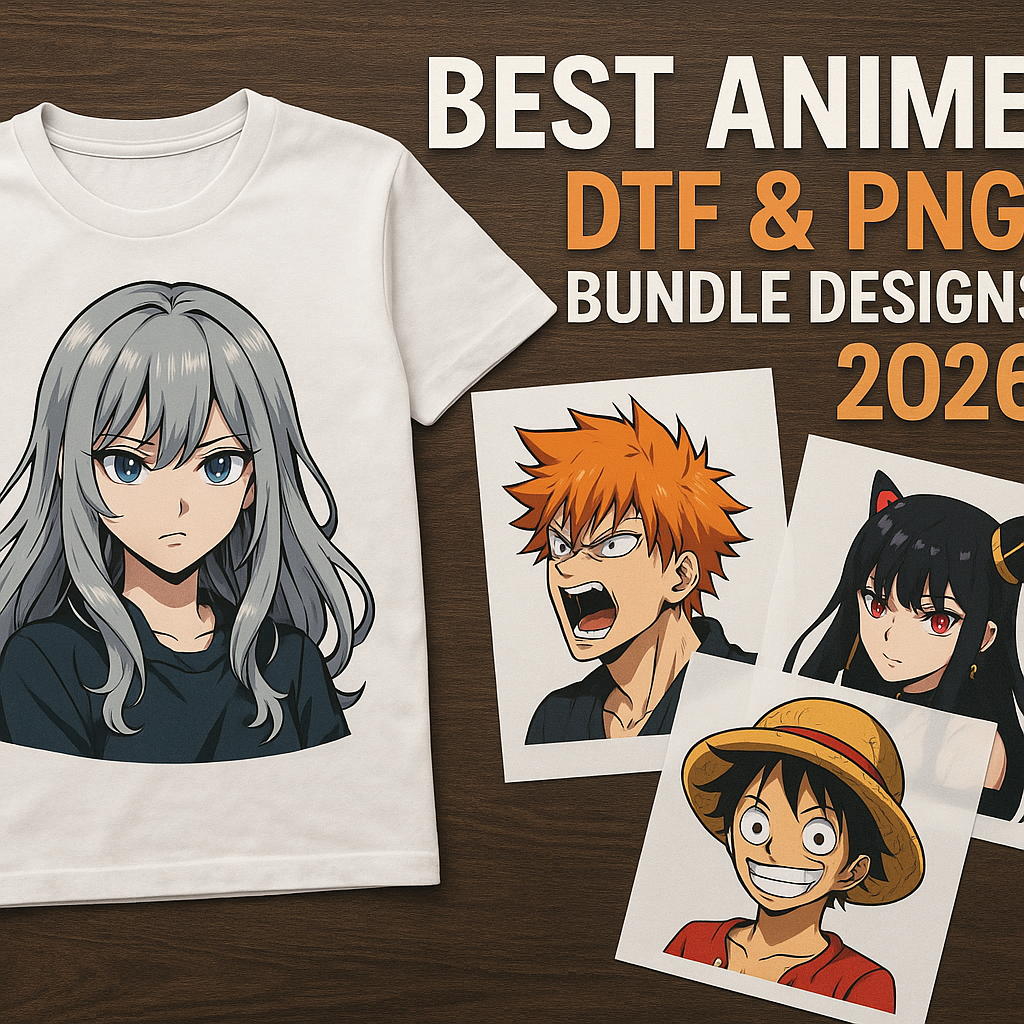
- 2026 anime DTF/PNG bundles should combine high-detail, print-ready PNGs with clear licensing, consistent naming, and tiered wholesale options to accelerate bulk sales.
- Focus on trending series, versatile product formats (apparel, tumblers, wall art), and creator-friendly bundles that survive multiple printing methods (DTF, DTG, embroidery).
- Use value-based pricing, strategic on-sales, and cross-sell bundles (e.g., apparel + tumbler wraps) to boost average order value while maintaining margins.
Table of Contents
- Introduction
- 1. Current Trends in Anime DTF & PNG Bundles
- 2. Market Segments and Niche Opportunities
- 3. Designing for Commercial Viability
- 4. Pricing, Promotions, and On-Sale Strategies
- 5. Quality and Consistency Across Bundles
- 6. Marketing and Conversion Tactics
- 7. Brand Examples and Case Studies
- FAQ
- Conclusion
Introduction
What readers will gain
You’ll get a clear view of which anime franchises are trending, the best product types to pair with each design, and how to stay compliant with fan art versus inspired work. Plus, you’ll find concrete tips on how to package and price bundles for maximum appeal.
1. Current Trends in Anime DTF & PNG Bundles
Color palettes and finishing styles
Lean into high-contrast color stories and crisp line work to keep fidelity on textured fabrics. For instance, saturated primaries can drive dynamic battle scenes, while soft pastels work well for character portraits. Finishing styles should favor clean vector repro for DTG accuracy, with layered PNGs that blend across products.
Offer solid-color variants and duotone edits to optimize on dark and light backgrounds. This approach boosts compatibility with DTF transfers, embroidery, and even sublimation on tumblers when paired with matching motif packs.
2. Market Segments and Niche Opportunities
Fan-focused bundles (featured series)
You want bundles that fans can spot at a glance. Start with the core series and build a cohesive set around instantly recognizable silhouettes and color cues. This keeps catalogs lean and boosts conversion for bulk buyers. DesignsPacks updates with trend-ready assets, so you can refresh these bundles without starting from scratch.
- Dragon Ball Z: action poses, energy auras, and iconic logos
- Naruto: chibi ensembles, headbands, and signature symbols
- One Piece: bold crew motifs and adventurous ship imagery
Holiday and event-themed bundles
Timed drops tap into established buying cycles. Plan limited-time bundles that pair seasonal palettes with anime motifs so retailers can ride steady demand and festive spikes. Build a simple calendar with two monthly releases during peak periods to maintain momentum.
- Christmas and winter scenes in anime styles
- Back-to-school themes with hero teams
- Con event collabs featuring popular franchises
Sublimation-ready tumbler wrap formats
Tumbler wraps open high-ticket add-ons. Create durable, print-ready PNGs designed for curved surfaces, and map color separations for PET film workflows. These formats let you expand beyond apparel into drinkware and home goods, increasing average order value.
- 4K-ready tumbler bundles with complete wrap designs
- Color-accurate palettes for dark and light substrates
- Bundle-ready kits pairing wraps with matching apparel graphics
3. Designing for Commercial Viability
Print-ready specifications (DPI, color mode)
You want files that drop into production without friction. Aim for 300 DPI resolution as a standard for crisp results, with transparency preserved in PNGs for easy layering. Use RGB color mode during design, then convert to CMYK only if your printer workflow requires it, keeping a color proof handy. Consistency in file dimensions saves time across batches and reduces misalignment on apparel.
- Delivery formats: print-ready PNG, PSD, and SVG where applicable
- Preferred layering: clean separations for foreground, midground, and background
- Mockups: include high-contrast previews on cotton tees and dark/light backgrounds
Licensing considerations and usage rights
Clear licensing matters. Provide a simple, buyer-friendly rights brief that covers commercial use, transferability, and modification permissions. When in doubt, default to broad commercial rights but avoid implying origin authorizations you don’t hold. This reduces disputes and accelerates wholesale adoption.
- License summaries included with each bundle
- Explicit notes on prohibited uses (e.g., resale of raw assets)
- Documentation-ready proof of ownership and rights
Bulk packaging for wholesale buyers
Wholesalers love predictability. Bundle assets by product type and colorway, with consistent naming and clear SKU mappings. Provide tiered bundles (basic, extended, premium) to match different order sizes and retailer needs. Packaging should support quick setup in POD workflows and DTF DTG pipelines alike.
- Unified naming conventions across all files
- Wholesale-ready PDFs detailing file specs and usage rights
- Bulk licensing options aligned with order tiers
4. Pricing, Promotions, and On-Sale Strategies
Pricing isn’t just a number; it’s a signal that affects how quickly you move bulk orders. You should lean into value-based bundle pricing that reflects the breadth of DesignsPacks assets you’re offering, so retailers feel they’re getting real savings without chopping into your margins.
Value-based pricing for bundles
Set prices by considering total file counts, format variety, and anticipated cross-product use. Create tiers that reward buyers who grab full sets rather than single designs, while keeping entry points accessible.
- Basic: a focused theme kit with essential files
- Standard: expanded assets plus lifestyle mockups
- Premium: complete series, tumbler wraps, and rights-ready licenses
Strategic on-sale cadences
Coordinate promotions with buyer workflows so discounts feel timely, not pushy. Rotate offers around holidays, school events, and convention seasons to sustain momentum.
- Weekly flash discounts on select bundles
- Weekend bundles advertised as time-limited offers
- Seasonal drops tied to large shopping windows
Bundling techniques to maximize average order value
Pair related licenses and formats with smart cross-sell logic. The aim is bigger carts with a straightforward purchasing path for buyers.
- Mix apparel bundles with compatible tumbler wrap sets
- Offer colorway variants within a single bundle
- Provide add-ons like editable PSD/AI templates for easy customization
5. Quality and Consistency Across Bundles
When you’re stocking anime bundles, consistency isn’t optional, it’s how you build trust with buyers and speed up their production workflow. You want predictable deliveries that fit right into DTF, DTG, and embroidery pipelines without guesswork.
Consistent file naming and delivery formats
Adopt a simple, scalable naming convention and keep it uniform across all bundles. This reduces mix-ups in bulk orders and makes automation easier. For example, name a file as "Series_Colorway_Size_Version" and update the version only when edits occur.
- Standardized prefixes for series, format, and colorway
- Delivery formats kept at PNG, PSD, SVG where applicable
- Clear versioning for updates or revisions
Quality checks for PNGs and DTG compatibility
Quality control should happen before files leave your warehouse. Run a quick preflight: verify transparent areas are truly transparent, and check color swatches against your printer profiles. Test print on a sample light and dark shirt to catch issues early.
- 300 DPI baseline with clean transparency where needed
- RGB workflows with final CMYK proofs if required by printers
- Edge-softening and artifact checks to prevent pixelation on rotation or stretch
Branding cohesion across designs
Maintain a cohesive look across every bundle so customers recognize the DesignsPacks aesthetic without sacrificing variety. A well-coordinated set saves time for retailers and keeps consistency in marketing.
- A unified color theory and line weight across series
- Consistent logo placements and watermark practices where appropriate
- Shared mood boards and style guides for designers
6. Marketing and Conversion Tactics
When you’re selling anime bundles, your listings need to work as hard as your designs. You want buyers to understand value quickly and feel confident in their decision. Think crisp visuals, clear specs, and proof that your bundles convert on day one. Check out the best Class of 2026 graduation DTF & embroidery designs for inspiration.
7. Brand Examples and Case Studies
Success stories from DesignsPacks customers
Across the DesignsPacks community, shops have pushed huge volume using anime bundles tailored for DTF and DTG runs. One seller stacked a multi-series bundle to fuel a limited-edition line, cutting production time with ready-to-print PNGs and tumbler wraps that fit common cup sizes. The result was a sharp uptick in repeat orders and faster turnover on wholesale quotes.
Another retailer tested a holiday-angled anime bundle, pairing fan-favorite motifs with seasonal colorways. By highlighting durability and quick setup for cotton tees and hoodies, they cut design-to-listing time and boosted average cart value through related add-ons like editable templates.
Creative uses of anime bundles in merch lines
Creators are pairing DTF transfers with embroidery-ready accents to diversify textures on apparel. The same bundles are used to design limited-run stickers and wall art that echo the same franchise aesthetics, ensuring a cohesive brand story.
- Mix franchise icons with subtle pattern overlays for unique repeats
- Leverage sublimation-ready tumbler wraps to extend the same design system to drinkware
- Use colorway variants within a single bundle to test demand without expanding SKUs
Real-world tip: when launching a limited run, set a soft cap on total units and track which designs sell fastest. This helps you pre-plan restocks and avoid overproduction. For example, a shop that released three colorways of a jacket in a single week learned which motif carried the strongest impulse buy, then expanded that family with matching accessories like pins and enamel badges.
FAQ
Got questions about using anime bundles for DTF, DTG, or embroidery? Here are quick, practical answers to help you move fast with confidence.
What file formats come in the bundles?
- Print-ready PNGs with transparent backgrounds
- Editable formats when offered for quick customization
- SVG or PES options may appear in select bundles for flexibility
Are the designs licensed for commercial use?
- Yes, designed for commercial production with POD workflows
- Usage rights typically cover bulk sales and wholesale orders
- Always review the license scope inside each bundle for specifics
Which transfer methods work best with these designs?
- DTF transfers for high-detail, durable results on cotton tees and blends
- DTG for direct-to-garment printing with vibrant color reproduction
- Embroidery-ready motifs are included where applicable
Can I mix franchises within a bundle?
- Some bundles include multiple series for versatile use
- Other bundles focus on a single franchise for cohesive collections
- Always check bundle contents and licensing scope before purchase
Where can I find the best value and on-sale options?
- DesignsPacks frequently rotates bundles on sale to maximize bulk value
- Look for bundled counts and tiered pricing to boost AOV
- Keep an eye on new releases that align with current fan demand
Conclusion
As you shape anime DTF and PNG bundles for 2026, aim for practical utility and scalable value. You want designs that print cleanly, endure wear, and suit a range of products from cotton tees to tumbler wraps.
DesignsPacks provides bulk-ready assets that align with modern POD workflows, helping you meet high-volume demand without juggling multiple sources. The goal is to build clear, repeatable design systems you can deploy across frames, apparel, and drinkware.
- Prioritize high-detail transfers for top-selling franchises to maximize perceived quality.
- Keep file naming and formats consistent to streamline wholesale fulfillment.
- Use on-sale strategies to move large orders quickly while preserving margin.
If you’re optimizing for commercial safety, stick to licensed or clearly inspired designs and document usage rights within each bundle. This keeps your shop protected while you scale. And with a broad catalog like DesignsPacks, you can refresh collections efficiently, staying aligned with the most in-demand anime trends.
